by devTeam Ironistic | Dec 11, 2014 | Blog, Computer Security, IT, Virus Protection and Security
If you received an email that appears to come from Facebook, do not click the link inside. We are unsure what type of malware the link contains, but in the past, similar malicious emails have had password-stealing programs. There are hints that this is a scam: 1. The...

by devTeam Ironistic | Dec 10, 2014 | Blog, Business IT, Computer Security, IT, Virus Protection and Security
We received this email and quickly realized it was not truly from UPS. Though the senders attempt to make it look legitimate through the use of the UPS logo and other tactics, the email simply looks unofficial and at glance, you can see the formatting looks...

by devTeam Ironistic | Oct 20, 2014 | Blog, Business IT, Computer Security, Virus Protection and Security
Most scam emails give hints to their malicious intent. In most, you will find that they are littered with vague references, strange emails, nonsensical links, grammatical errors, and misspellings. Here is a look at a recent scam email from FedEx. When you look...

by devTeam Ironistic | Aug 22, 2014 | Blog, Business IT, Computer Security, Virus Protection and Security
“I got a computer virus, but I have anti-virus. How did this happen if I have anti-virus?” This question is asked often. While we understand it is frustrating to have this happen, especially if you have opted to pay for anti-virus (as opposed to using free downloads)...
by devTeam Ironistic | Aug 8, 2014 | Blog, Business IT, Computer Security, How To's, Virus Protection and Security
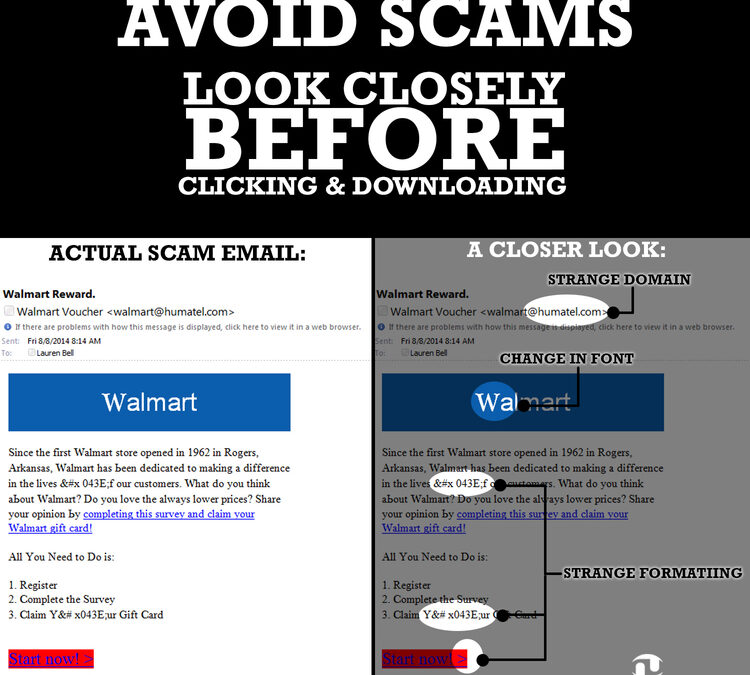
Many scam emails are designed to look like a legitimate company in order to trick people into clicking links, downloading programs, providing account info and more. Some emails are more deceiving than others. The key is to look closely at an email because there are...

by devTeam Ironistic | Jul 24, 2014 | Blog, Computer Security, Virus Protection and Security
Scammers use email as a way to send viruses and other types of malware. One tactic they employ is creating and sending emails that appear to come from legitimate companies. Because these emails appear legitimate, people download items and click links within the email....